
Government Data Assessment & Inventory
Ministry of Public Service / Ministry of Finance / World Bank
Overview
The Government of The Gambia identified the need to understand what administrative data is collected, how it is stored, and how data sharing can be improved. Fragmented data landscapes undermined monitoring, evidence-based decisions, and citizen engagement.
Phase 1 (2024) covered the Ministries of Health, Basic Education, and Higher Education — producing a rapid data inventory, Data Governance Policy, technology specifications for data exchange, process mapping, sector dashboards, citizen compacts and service charters, and a whole-of-government approach strategy. Phase 2 (2025) extended coverage to Public Service, Fisheries & Water Resources, and Gender, Children & Social Welfare.
Phase 2 activities included stakeholder meetings, refined data collection tools, Key Informant Interview training, data inventory surveys, spot-checks, real-time validation, and presentation at a validation workshop.
Impact
The project established The Gambia's first systematic data governance framework, producing actionable policies and monitoring tools that enable government to manage data as a strategic asset across all services.
Services Delivered
Technologies Used
Gallery

Related Projects
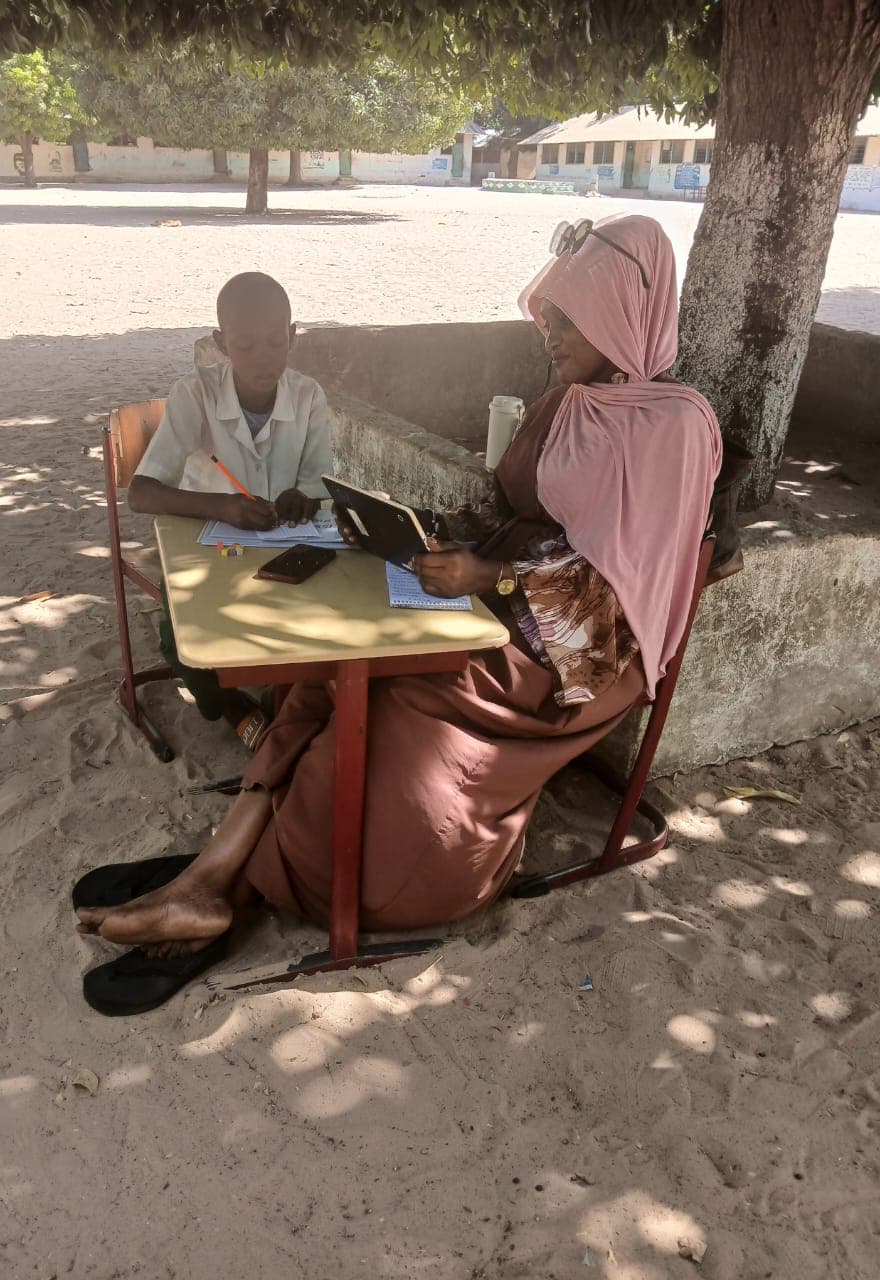
Effective Intervention / MoBSE / World Bank
MEISS Baseline & Midline Education Evaluation
Technical support for a quasi-experimental impact evaluation of structured pedagogy across approximately 120 schools, including EGRA/EGMA instrument development, daily data quality control, and deployment of HoneyGuide for real-time monitoring.
National Social Protection Secretariat / World Bank
Social Registry Update Strategy — GamSR
Development of a comprehensive strategy for modernising The Gambia's national social registry, including systems review, interoperability analysis with civil registration and national ID systems, and an implementation roadmap.
International Trade Centre (ITC)
Youth Empowerment Project — M&E
Monitoring and evaluation services for a youth economic empowerment programme, including data collection, quality assurance, beneficiary follow-up surveys, and development of real-time monitoring dashboards.