

Overview
The World Bank's Development Impact Evaluation (DIME) department partnered with the World Food Programme to assess the impact of a home-grown school feeding programme on student outcomes. The study employed a randomised controlled trial design with around 90 schools across Regions 3 and 6 of The Gambia.
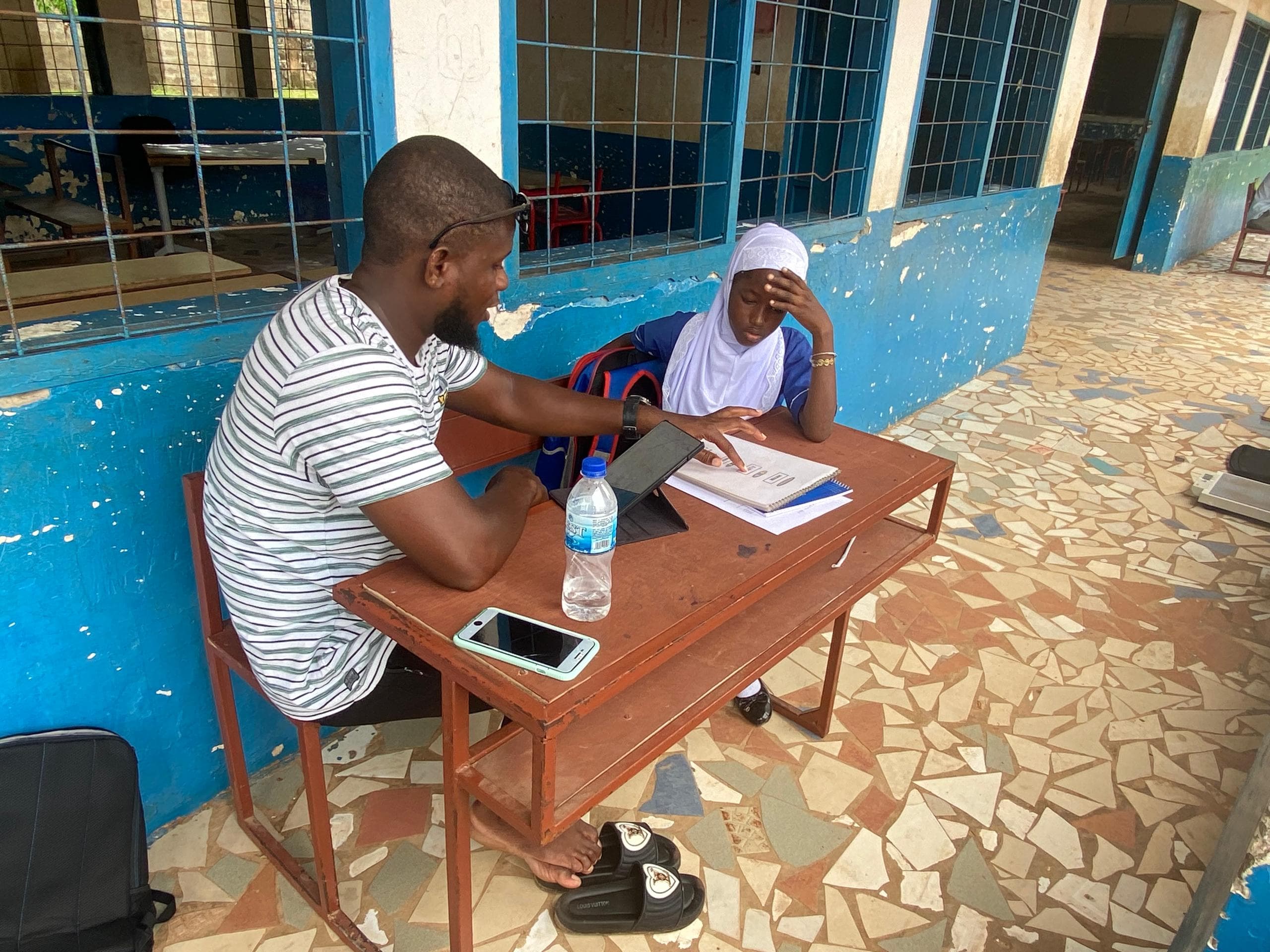
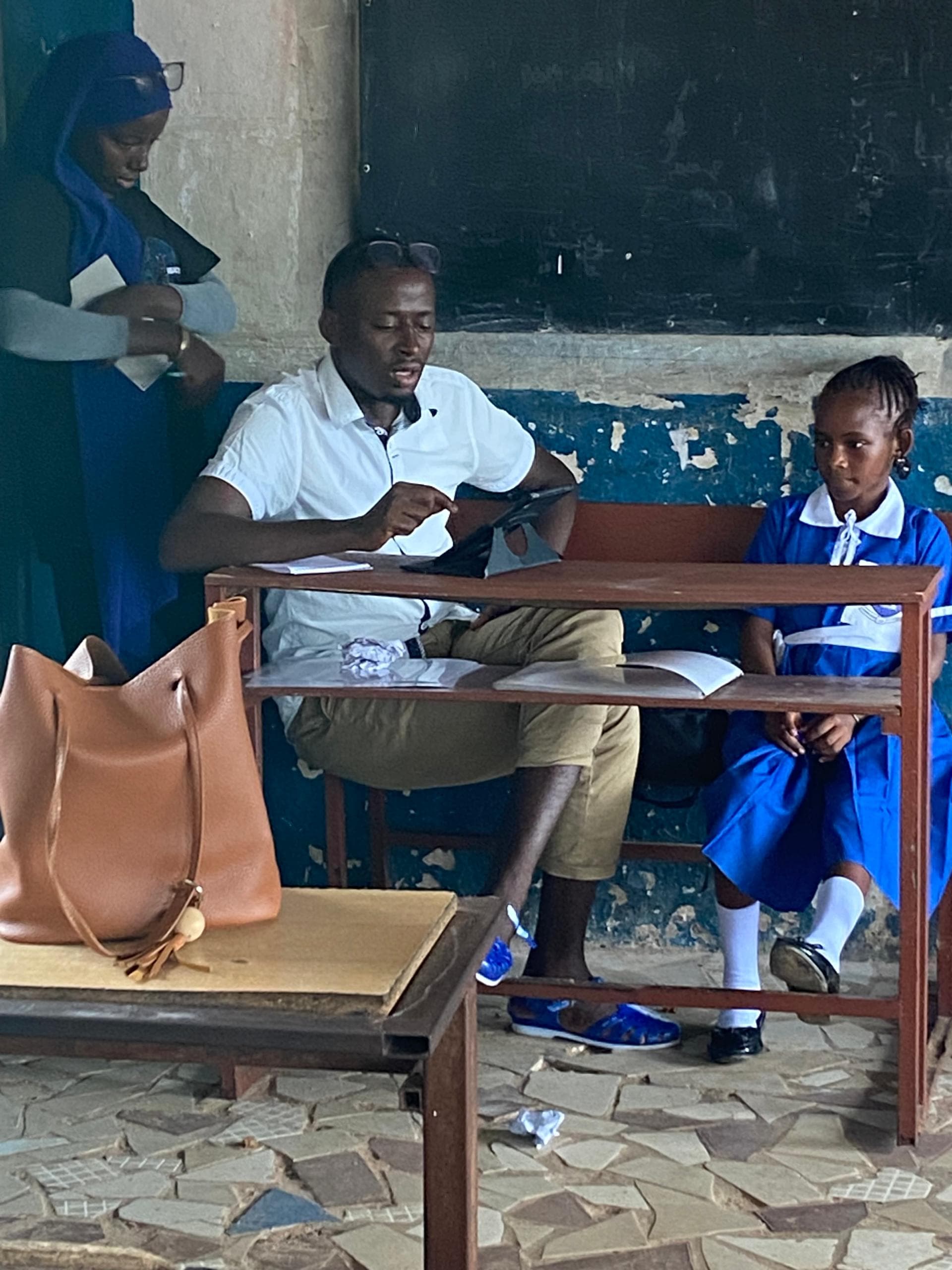
2M Corp conducted multiple rounds of structured surveys with approximately 1,800 students — the same panel tracked across all rounds to create a longitudinal dataset. Selected rounds included extended modules with anthropometric measurements (height and weight). Core modules covered nutrition, wellbeing, cognition, and maths and reading assessments. Each round was completed within a three-week field period.
In parallel, monthly unannounced teacher attendance spot checks were conducted at all participating schools. Quality assurance included a re-visit subsample, audio audits of survey administrations, and real-time data validation protocols.
Impact
The multi-round data collection provided a rigorous evidence base for evaluating school feeding programme effects on student nutrition, health, cognition, and achievement — findings with policy implications for school meal programmes across similar contexts globally.
Services Delivered
Technologies Used
Gallery
Related Projects
Effective Intervention / MoBSE / World Bank
MEISS Baseline & Midline Education Evaluation
Technical support for a quasi-experimental impact evaluation of structured pedagogy across approximately 120 schools, including EGRA/EGMA instrument development, daily data quality control, and deployment of HoneyGuide for real-time monitoring.

Luminos Foundation
Gambia Classes for Open Learning (GCOL) — Luminos Foundation
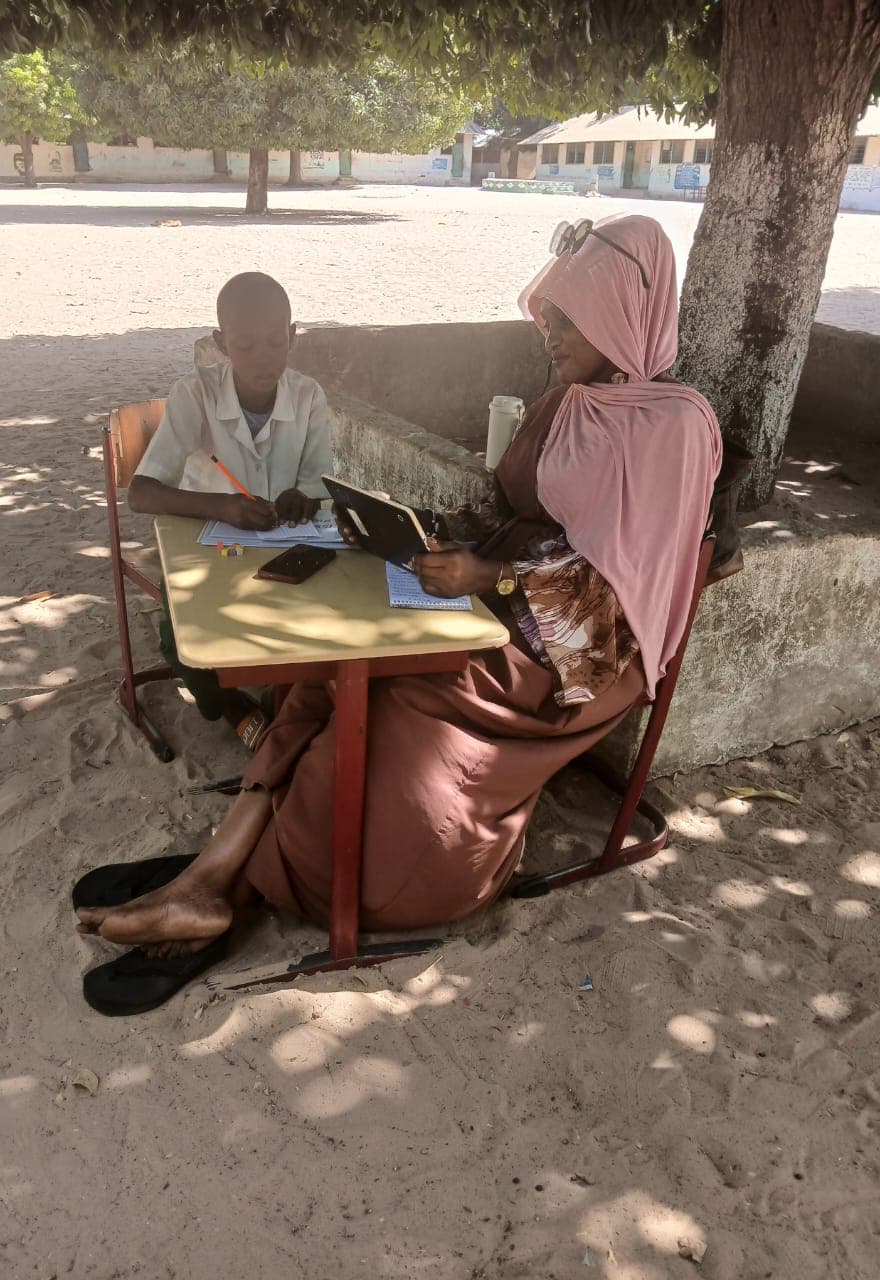
Six rounds of standardised reading and mathematics assessments over two years for the Gambia Classes for Open Learning (GCOL) programme, assessing approximately 900+ students with gold-standard and inter-rater reliability quality protocols.

Kanifing Municipal Council / University of Essex
Open Location Codes Research — KMC & University Consortium
Baseline and endline surveys of 4,000 households for an RCT evaluating the impact of digital addressing systems (Google Plus Codes) on property tax compliance, municipal services, and waste management.